Puzzled by wall labels like “oil on canvas” or “mixed media”? Here are art forms and media explained in plain terms: a medium is either a type of art or the material it is made from.
If you are planning a visit to art galleries near Brentwood MD, this short vocabulary guide will help the labels make sense.
| Item | Value |
|---|---|
| First meaning of “medium” | A type of art, such as painting, sculpture or printmaking |
| Second meaning of “medium” | The materials an artwork is made from |
| Third meaning of “medium” | The liquid in which pigment is suspended to make paint |
| Medium of oil paint | Linseed oil |
| Mixed media | A combination of different media or materials |
| Performance art | The artist’s own body as the material or medium |
These definitions come from Tate’s art-term entry on medium and Tate’s index of art terms beginning with M. Museums can revise their wording, so check the source before you rely on it.
What the word “medium” covers
In art, medium is a slippery word. Tate says the term has two principal overlapping meanings, and the overlap is the confusing part. It can name the type of art, such as painting, sculpture or printmaking, or it can name the materials a work is made from.
Tate also notes a third, narrower meaning: the liquid in which the pigment is suspended to make paint. You will rarely meet that sense on a gallery wall, but it explains why paint names often include an oil or a binder.
The split matters because one object can carry two correct descriptions. A label might call a piece a painting in one place and “oil on canvas” in another. The first names the art form, and the second names what it is made of.
Common art forms and the materials behind them
Tate pairs each family of art with typical materials in its entry on medium. The pairs below follow those examples.
- Sculpture: works in bronze or marble.
- Painting: oil paint on canvas, or watercolour on paper.
- Drawing: pencil or crayon.
- Printmaking: etching or lithography.
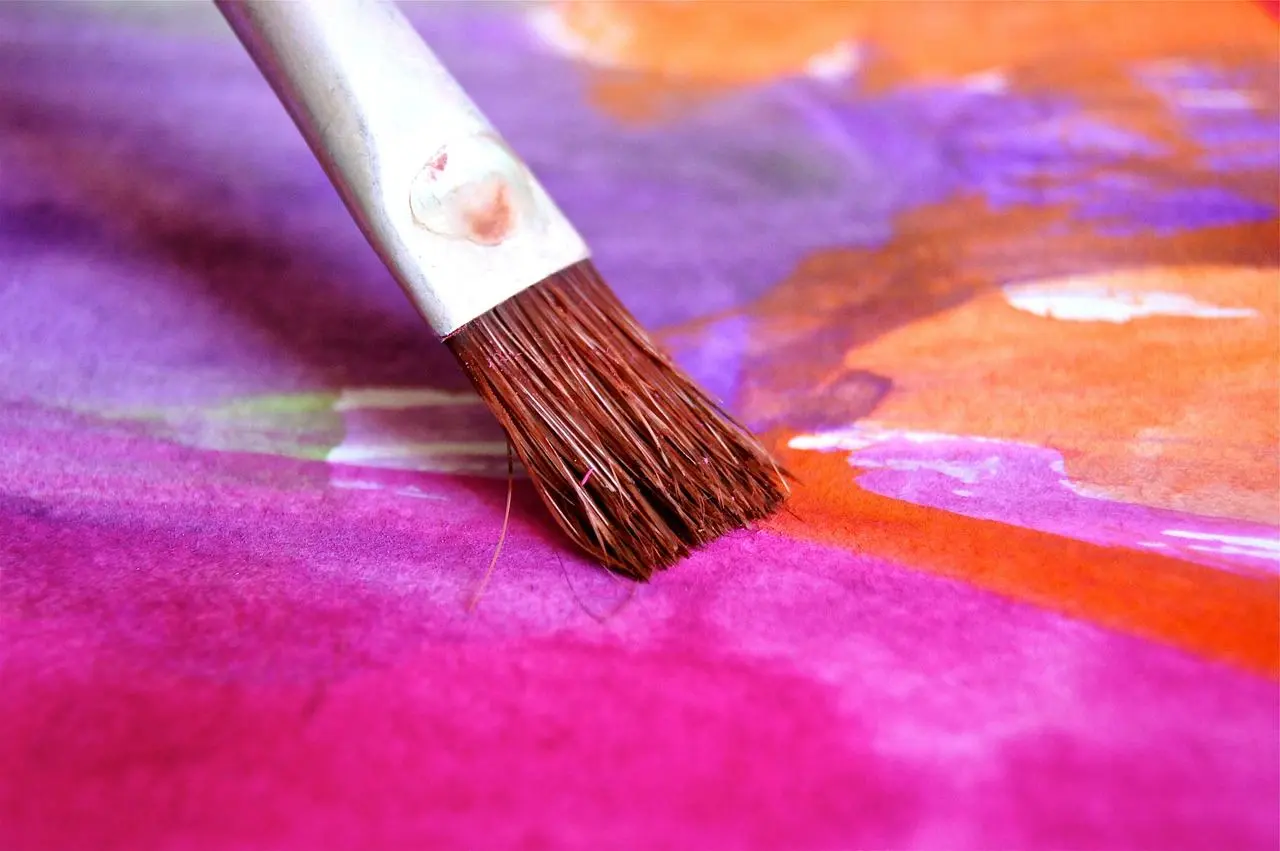
Painting, in Tate’s wording, is the practice of applying paint or other media to a surface, usually with a brush. A print, by contrast, is an impression made by any method involving transfer from one surface to another, as Tate’s related-terms list explains.
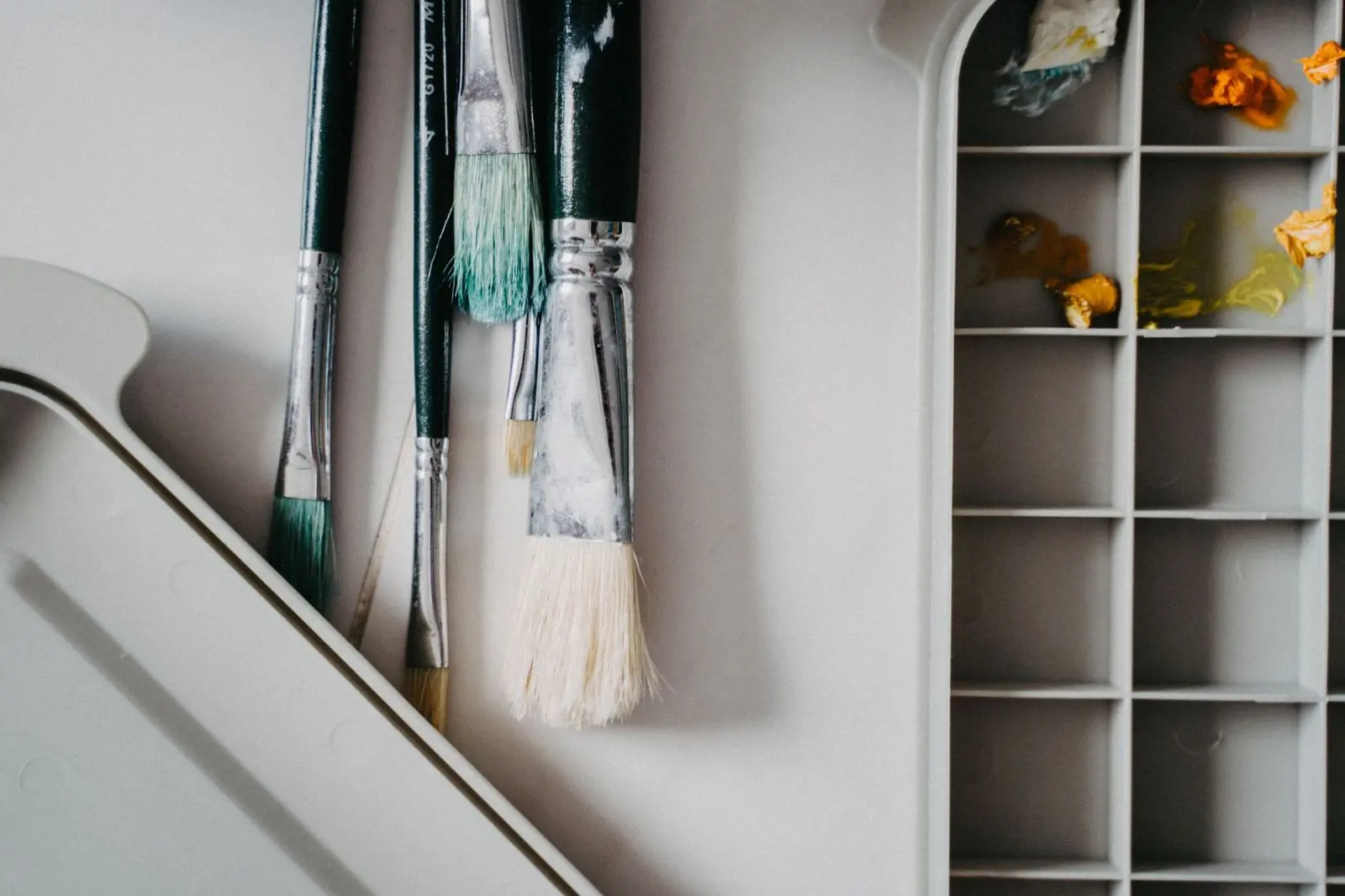
Materials can be very old companions of a form. Tate’s index describes metal as a solid, hard, opaque material that has been used by sculptors since ancient times. Oil paint shows the third meaning at work: Tate says the liquid carrying its pigment is linseed oil, as set out on the medium page.
How modern art stretched the idea
According to Tate, modern artists from Pablo Picasso and Marcel Duchamp on established that art can be made of absolutely any material. That freedom produced a new label, mixed media, which was coined because many modern works combine a variety of things.
The same entry says this widening of materials created new types of art. Three of them are worth recognising on a wall label:
- Assemblage: a three-dimensional form usually made from a variety of materials.
- Installation: also three-dimensional and usually made from mixed media.
- Performance: art that uses the artist’s own body as its material.
Tate says all three are distinct enough from traditional sculpture to be considered new media in themselves. If a label lists several unrelated materials, that is a hint you are looking at one of these forms rather than a classic painting or carving.
How do you read a label when you are in the room?
A label usually gives the artist, a title, a date and a line of materials. Once you know the two meanings of medium, that last line becomes a quick guide to what you are seeing. For a wider approach to a whole show, see our guide on how to read an art exhibition.
- Look for the form word first, such as painting, print, drawing, sculpture or installation.
- Read the materials line next and match each item to the work in front of you.
- If the materials line is long or varied, treat the piece as mixed media and look at how the parts connect.
- Step back, then move close, and notice how the material shapes the surface.
None of this requires a specialist’s eye. It simply gives you words for what you already notice.
Using the vocabulary when you want to buy or ask questions
Knowing the difference between form and material makes conversations with artists easier. You can ask what a piece is made of, how the surface was built up and whether the materials need special care. Our guide to how to buy art from local artists covers the practical side of that conversation.
This site is an independent editorial guide and does not run, sell or book anything. Dates, opening hours and prices change, so confirm them with the venue or artist before you travel or commit to a purchase.
Frequently asked questions
What is the difference between an art form and a medium?
Show answer
In everyday use the two overlap. “Art form” usually points to the kind of work, such as a print or a sculpture, while “medium” can point to either that kind or the stuff it is made from, which is why labels can look inconsistent.
Is an installation just a kind of sculpture?
Show answer
Tate treats it as separate. Its entry on medium places installation alongside assemblage and performance as forms that stand apart from traditional sculpture, even though all three are three-dimensional or body-based.
Can any material be used to make art?
Show answer
Tate’s account of modern art says the answer is yes, naming found or appropriated objects among the materials artists have used. That open door is the reason the label “mixed media” exists.
Do you need to know all this to enjoy a gallery?
Show answer
No. A few terms simply make labels quicker to decode, and the venue’s staff can explain anything unclear. Check opening hours and any admission details with the venue first.