If you’re worried about doing the wrong thing, art gallery etiquette can feel like a hidden rulebook. Give the art space, follow the venue’s signs, and ask before touching or taking photographs. You can then focus on what catches your eye.
For local options to explore, start with the guide to art galleries near Brentwood MD and confirm visitor arrangements with your chosen venue.
| Item | Policy at the Hood Museum of Art |
|---|---|
| Contact with artwork | No touching permitted |
| Writing tools | Pencils only |
| Large bags and backpacks | Locker storage required |
| Food, drink and gum | None permitted in galleries |
| Flash photography | No flash permitted |
These policy details come from the Hood Museum of Art’s museum rules; the figures and policies can change, so check the source before you rely on them. These are a museum’s stated rules, not a universal policy for every gallery.
Start with the venue’s own instructions
Make checking the entrance information your first habit. Before entering an exhibition, look for instructions about bags, photography and anything visitors may handle. If a sign leaves you uncertain, ask a member of staff rather than guessing.
Treat the museum examples here as preparation for that conversation. The Hood Museum, for example, explains that a photography restriction may appear beside an individual artwork or at an exhibition entrance in its visitor rules. Keep looking for guidance as you move through the space.
Before leaving home, check visit details directly with the venue, including exhibition dates, opening hours and prices. For help organizing the rest of your outing, use the guide to how to visit an art gallery. This website is an independent editorial guide and does not represent or operate the venues it discusses.
- Read any instructions sent with your visit confirmation.
- Ask where to put belongings before entering the exhibition.
- Explain any access or seating needs and ask what arrangements are available.
- Check whether a particular display has instructions of its own.
Keep your questions specific: “May this bag come into the exhibition?” is easier to act on than “What are all the rules?” You do not need to apologize for asking. A brief check can settle the uncertainty before it distracts you from looking.
Give artworks and other visitors room
The basic starting point is no touching. The Hood Museum’s rules explain that even slight contact can damage a painting’s surface, discolor stone or rust metal. Avoid testing a texture with your fingers, however sturdy the object looks.
Leave a comfortable gap between yourself and the work, and follow any marked boundaries. The Hood Museum asks visitors to keep a safe distance to avoid accidental touching or bumping in its museum guidance. Before stepping backward for a wider view, turn and check the space behind you.
Pay attention to what you are carrying as well as where your hands are. Keep loose belongings under control when turning toward a companion or moving around a sculpture. If a display seems designed for participation, ask what visitors are invited to do before handling it.
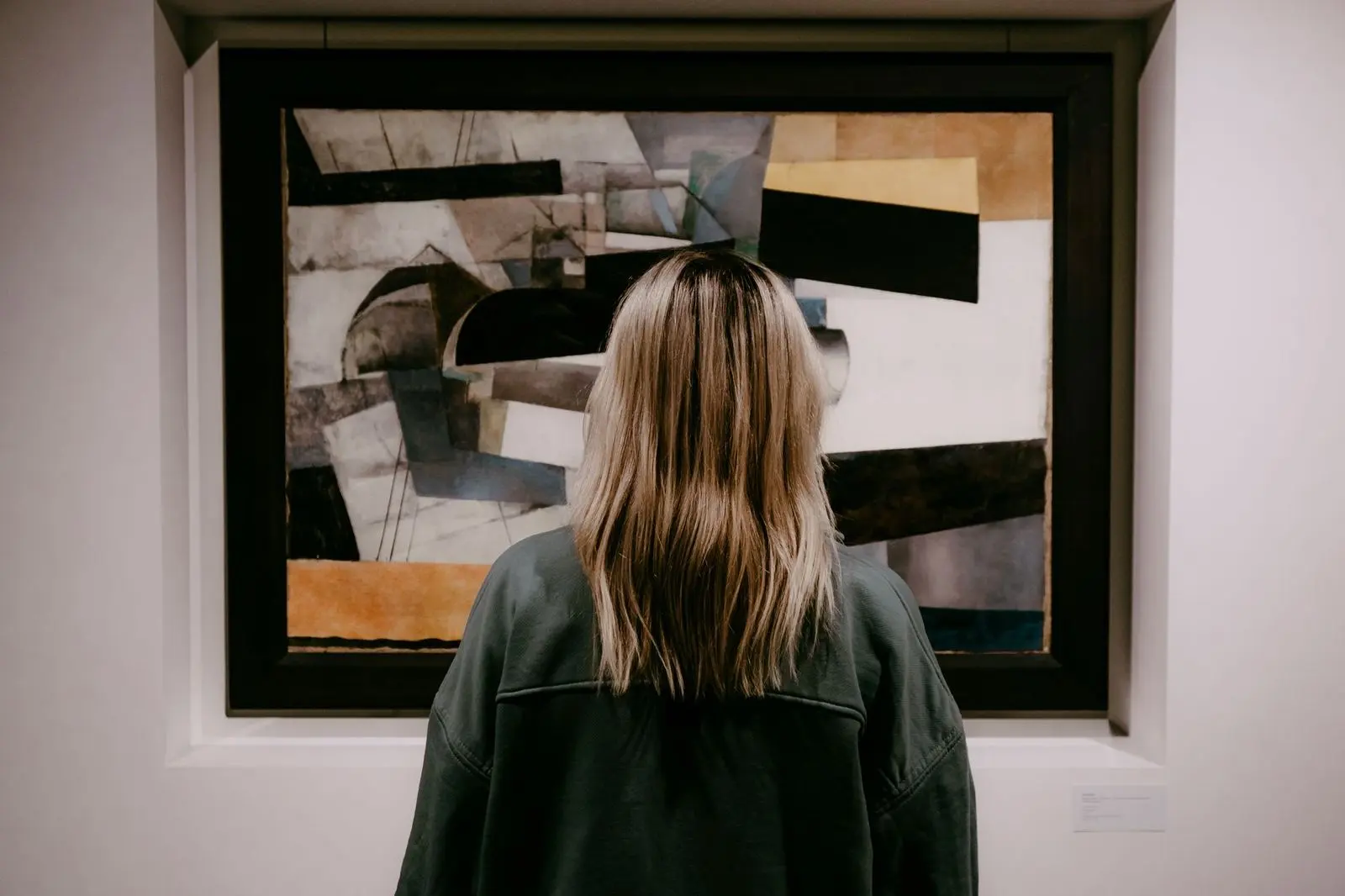
Make sharing the view part of your visit. If someone is waiting to read a label, move aside when you have finished; if you want a longer look, find a position that leaves room for others. Avoid gathering your group across a doorway or narrow passage.
For conversation, aim for a considerate volume and follow any instructions from the venue or tour leader. Move a longer discussion away from someone who is trying to read nearby. Take a phone call outside the exhibition space when practical.
Manage bags, refreshments and note-taking
Check the bag policy before settling into the exhibition. The Hood Museum directs visitors to store large bags and backpacks in lockers. Ask your destination what it requires rather than assuming it offers the same storage arrangements.
Keep refreshments for a place where the venue permits them. The Hood Museum’s rules prohibit food, drink and gum in its galleries. If you need access to water, medication or another essential item, explain your needs to staff and ask how to accommodate them.
If you want to sketch or take notes, check permitted materials first. The Hood Museum allows pencils only and warns against pointing with a pencil or another object near artwork. Put the pencil down while gesturing, and keep your notebook close to you.
- Ask where writing or sketching is permitted.
- Choose a position that leaves the route through the room clear.
- Keep your materials contained instead of spreading them across a shared seat.
- Pause if your activity makes it difficult for someone else to approach the display.
Do not use a wall or display case as physical support. The Hood Museum prohibits leaning on walls or cases to protect the works displayed there. If standing is uncomfortable, ask about a suitable seat rather than trying to manage without support.
Check photography permission before framing a shot
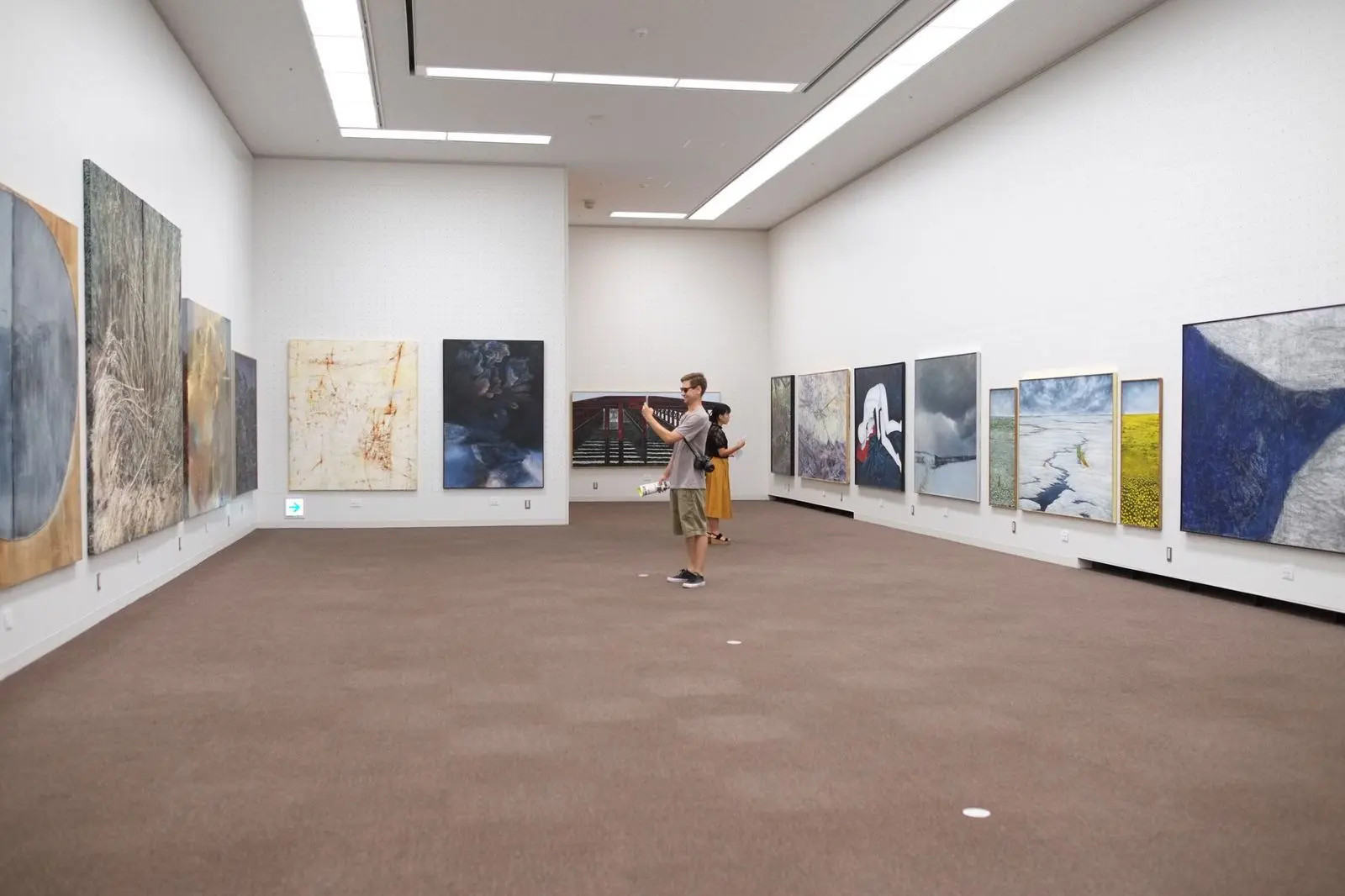
Treat photography permission as something to confirm for the work in front of you. The Hood Museum permits personal photography of works it owns, while noting that individual works or exhibitions may carry a no-photography sign. Permission elsewhere in the building does not settle what a particular sign allows.
Where photography is permitted, check your flash setting before taking a picture. The Hood Museum expressly prohibits flash. If you cannot tell whether your device will trigger it automatically, pause and adjust the setting before using the camera.
- Read the entrance notice and any sign beside the artwork.
- Ask staff if the permission or intended use is unclear.
- Check your device settings and your surroundings.
- Take the photograph without leaning toward the work or blocking another visitor.
- Move aside before reviewing the image.
For shared photographs, ask companions before including them and avoid making strangers the subject of your picture without their agreement. If your intended use goes beyond a personal souvenir, describe it to the venue before proceeding. Do not assume that permission to take an image answers every question about using it.
Give yourself some time without the screen, too. After putting the camera away, choose a detail to examine directly, such as an edge, a change in color or the relationship between objects. Let the photograph support the visit rather than become its main task.
Look, discuss and visit with children thoughtfully
Use observation as your starting point when talking about art. Try “What draws your attention?” or “Which part would you look at again?” If you want a more structured approach, explore how to read an art exhibition.
Keep disagreement respectful when you dislike a work or hear a different interpretation. Describe your response without dismissing another visitor’s interest. During a guided discussion, leave space for others to finish speaking before adding your view.
With children, explain movement expectations before entering. The Hood Museum prohibits running, pushing and roughhousing because of the risk of bumping into and damaging art. Give children something positive to do while keeping the venue’s boundaries clear.
- Invite them to describe a shape or color without pointing close to the artwork.
- Let them choose a work to discuss together.
- Show them where to stand while someone else reads a label.
- Take a break when continuing would mean repeated reminders.
If staff offer a correction, make responding calmly the next step. Stop the activity, listen to the instruction and ask for clarification if needed. If you notice accidental contact or a problem near a display, tell staff rather than trying to adjust the artwork yourself.
Frequently asked questions
What should you do if you cannot find the visitor rules?
Show answer
Start with a direct question at the entrance: “Is there anything visitors should know before going in?” Mention the activity you have in mind, such as drawing, so the answer addresses your visit.
How should you approach an artwork when someone is already looking?
Show answer
Wait for an opening beside them instead of moving between their face and the display. If the space is tight, look at another work and return when there is room.
What if you do not know what to say about the art?
Show answer
Try a personal response: name what surprises you or what you would like to understand. Leave room for uncertainty rather than feeling obliged to produce an expert explanation.
Should you interrupt a tour to ask an unrelated question?
Show answer
Look for a natural pause or ask another available staff member. Save a question requiring a longer answer until the speaker has finished addressing the group.